
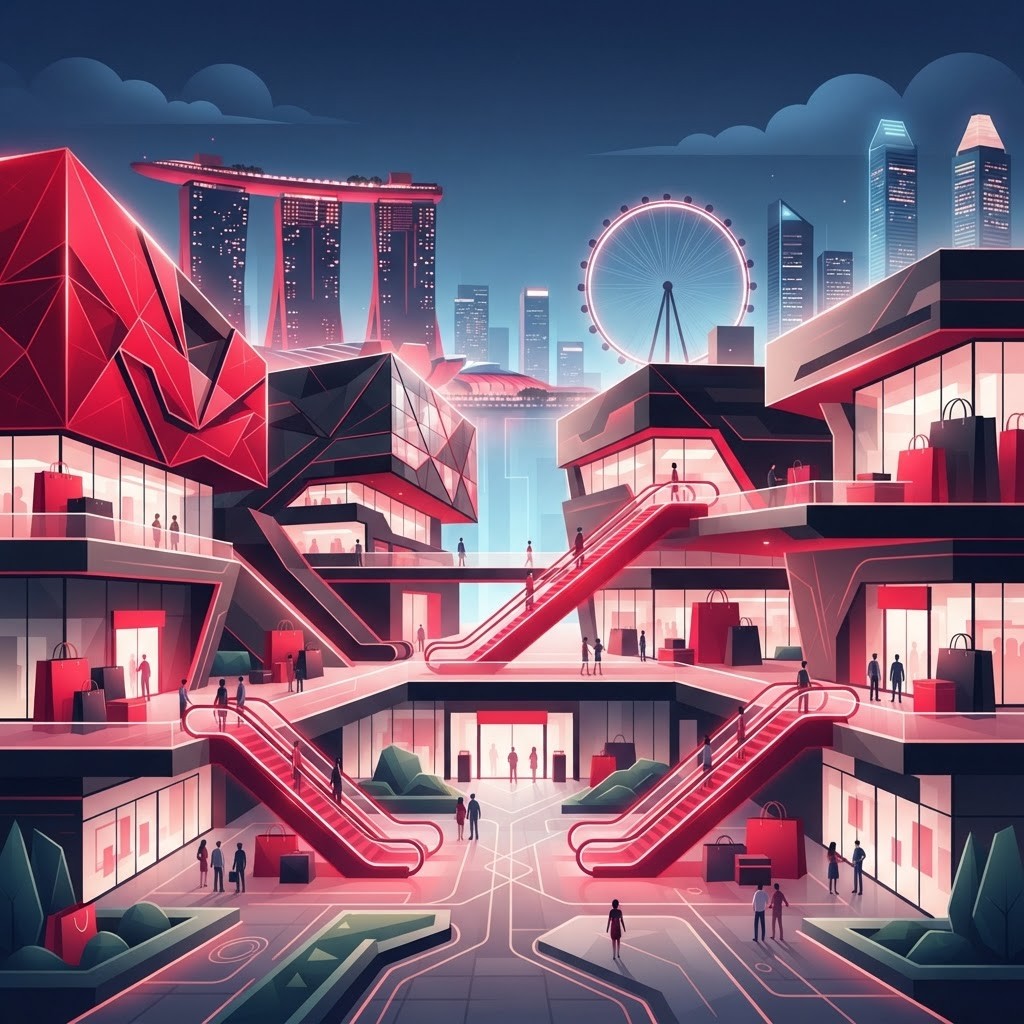
The Enduring Appeal of Department Stores
Despite the rise of e-commerce, department stores remain a cornerstone of Singapore's retail identity. These multi-floor destinations offer a curated blend of fashion, beauty, homeware, electronics, and dining, delivering the kind of experiential shopping that online platforms struggle to replicate. Located within landmark malls along Orchard Road and in suburban hubs, Singapore's department stores continue to attract both locals and tourists seeking variety, convenience, and quality under a single roof.
Why Department Stores Still Matter
The best department stores succeed by combining breadth of selection with a strong sense of service. Shoppers can compare brands side by side, seek advice from trained staff, and enjoy loyalty programmes that reward repeat visits. Many have embraced omnichannel retail, integrating online ordering with in-store collection and seamless returns. This blend of physical and digital convenience has helped established names stay relevant in a fast-changing market.
The Top 10 Department Stores
Takashimaya, anchored at Ngee Ann City, is a beloved Japanese institution known for its expansive range, premium brands, and famous basement food hall.
Robinsons, a heritage name that has evolved with the times, continues to offer trusted fashion, beauty, and home collections with a focus on quality and service.
Metro is a homegrown favourite, balancing affordable fashion, cosmetics, and household goods with regular promotions that appeal to value-seeking shoppers.
Isetan brings Japanese retail excellence to multiple locations, celebrated for its beauty halls, quality apparel, and seasonal events.
Marks & Spencer offers British staples spanning clothing, lingerie, and its well-loved food selection, appealing to those who value dependable quality.
BHG provides a comprehensive mix of mid-range fashion, beauty, and home products with a strong presence in suburban malls.
Tangs, an iconic Orchard Road landmark, blends heritage with a modern edge, showcasing fashion, beauty, and lifestyle products in a distinctive setting.
OG is a value-driven department store popular for its wide-ranging apparel and household goods at accessible prices.
Mustafa Centre stands out as a 24-hour retail giant offering an astonishing variety of goods, from electronics to groceries and jewellery.
Don Don Donki rounds out the list with its uniquely Japanese discount concept, combining snacks, beauty, household items, and novelty products in a vibrant, maze-like layout.
Trends Transforming the Sector
Department stores are reinventing themselves to meet evolving consumer expectations. Experiential retail is a major focus, with in-store cafes, beauty consultations, and pop-up events designed to draw foot traffic. Personalisation through data-driven loyalty programmes helps retailers tailor promotions and recommendations. Sustainability is also rising in importance, with more stores stocking eco-conscious brands and reducing packaging waste. The integration of digital tools, from mobile apps to click-and-collect, further enhances convenience.
The Shopping Experience
What keeps customers returning is the sense of discovery. Department stores allow shoppers to browse across categories, try products firsthand, and enjoy attentive service. Food halls, particularly at Takashimaya and Isetan, have become destinations in their own right, drawing crowds for gourmet treats and international cuisine. Seasonal sales, festive displays, and exclusive brand launches add to the appeal, making these stores social and cultural touchpoints.
Choosing Where to Shop
Your ideal department store depends on your priorities. For premium brands and gourmet food, Takashimaya and Isetan lead the way. Value seekers may prefer Metro, OG, or Mustafa Centre, while those wanting British quality gravitate toward Marks & Spencer. Tangs and Robinsons offer a balanced blend of heritage and modern selection, and Don Don Donki delivers a fun, budget-friendly experience unlike any other.
Heritage Meets Reinvention
Many of Singapore's department stores carry decades of history, and part of their enduring appeal lies in how gracefully they have reinvented themselves. Tangs, with its distinctive presence at the corner of Orchard Road, has balanced its heritage identity with contemporary brand curation and modern retail concepts. Takashimaya and Isetan have leaned into their Japanese roots while introducing new lifestyle categories, cafes, and experiential spaces. This willingness to evolve, rather than rest on legacy, has allowed these institutions to remain relevant to younger shoppers while retaining loyal, long-time customers. The result is a retail experience that feels both familiar and fresh, bridging generations of consumers under one roof.
The Role of Food and Dining
No discussion of Singapore's department stores is complete without highlighting their food offerings, which have become powerful draws in their own right. The basement food halls at Takashimaya and Isetan are destinations for gourmet groceries, freshly prepared meals, and international delicacies. Don Don Donki has turned grocery retail into an entertaining, sensory-rich experience with its vast selection of Japanese snacks and ready-to-eat items. Marks & Spencer's food section is beloved for its quality ready meals and treats. These dining and grocery components extend dwell time, encourage repeat visits, and reinforce the department store as a lifestyle hub rather than a purely transactional space.
Conclusion
Singapore's department stores continue to thrive by adapting to modern shopper expectations while preserving the charm of in-person retail. From the premium halls of Takashimaya to the round-the-clock energy of Mustafa Centre, these ten retailers offer diverse experiences that cater to every taste and budget. As they blend tradition with innovation, department stores remain vital and vibrant fixtures of the city's retail landscape.
