
The Rise of Co-working in Denmark
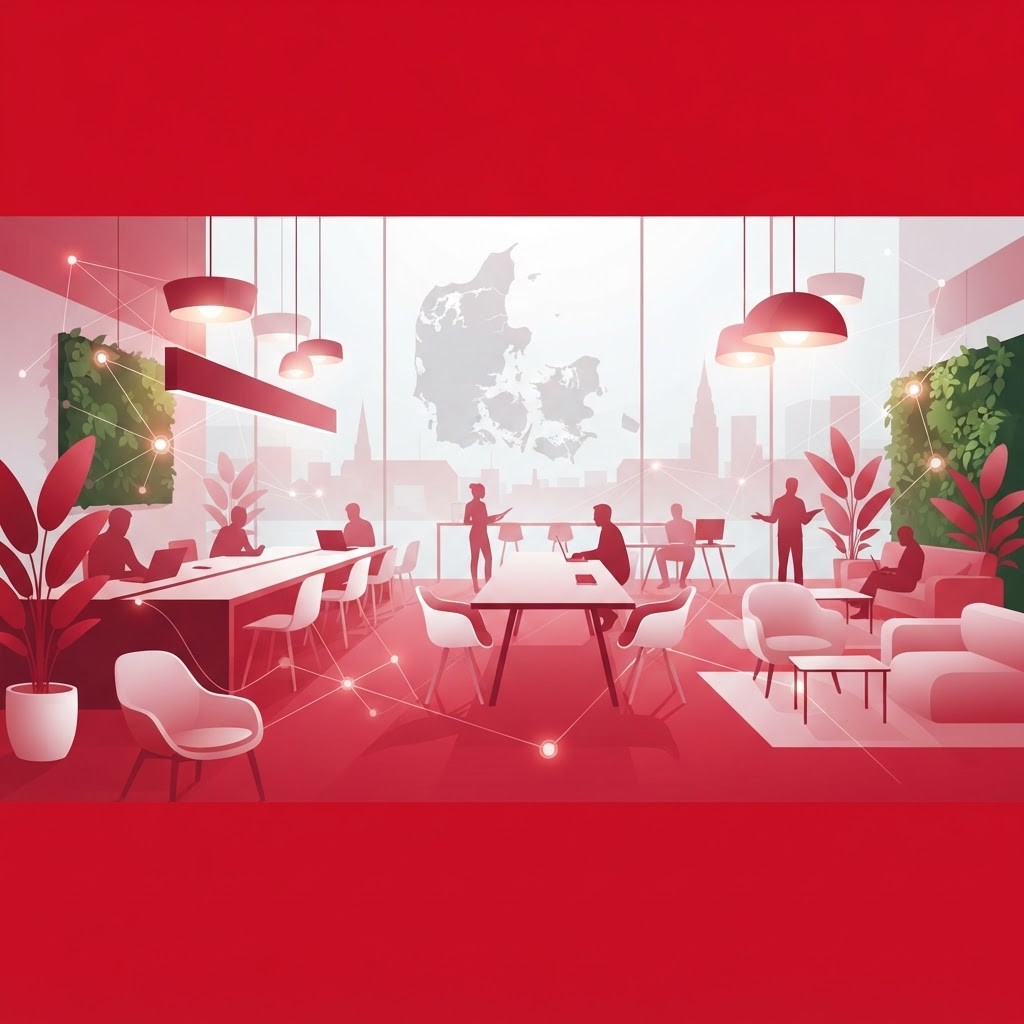
Denmark's strong culture of work-life balance, entrepreneurship, and community has made it fertile ground for co-working spaces. From Copenhagen's vibrant startup scene to growing hubs in Aarhus and Odense, flexible workspaces have become essential infrastructure for freelancers, small businesses, and remote employees. These spaces offer far more than a desk and Wi-Fi; they provide community, networking opportunities, and beautifully designed environments that reflect Denmark's celebrated approach to interior design and comfort.
As hybrid work becomes permanent for many companies, demand for professional yet flexible spaces continues to grow. Danish co-working operators have responded with a diverse range of options, from boutique creative studios to large corporate campuses.
What Makes a Great Co-working Space
The best co-working spaces in Denmark combine excellent design, reliable infrastructure, and a genuine sense of community. High-speed internet, comfortable ergonomic furniture, meeting rooms, and quiet zones are essential. Equally important are the intangibles: a welcoming atmosphere, regular events, and a member mix that encourages collaboration. Flexible membership options, from hot desks to private offices, allow businesses to scale up or down as needed. Location and access to amenities also play a major role.
Leading Co-working Spaces
SOHO in Copenhagen is one of Denmark's most established co-working communities, known for its creative atmosphere and strong network of members.
Republikken is a pioneering space celebrated for its focus on creative entrepreneurs and community-driven culture.
Talent Garden Rainmaking connects members to a pan-European network of tech and innovation professionals.
Matrikel1 offers a premium business-club environment in the heart of Copenhagen.
The Union provides stylish, design-forward workspaces popular with startups and scale-ups.
Founders House caters specifically to entrepreneurs and venture-backed startups.
Regus and Spaces operate multiple flexible office locations across Danish cities, offering global consistency.
Symbion is a long-standing innovation environment supporting startups and growth companies.
Coworking Plus serves regional cities with accessible, community-focused workspaces.
Nordic House rounds out the list with a collaborative environment designed for small teams and independents.
Trends in Flexible Workspaces
The co-working sector in Denmark is evolving to meet the demands of hybrid work. Operators are increasingly offering enterprise memberships that let larger companies provide flexible space to distributed teams. Wellness features such as natural light, greenery, quiet rooms, and on-site fitness are becoming key differentiators. Sustainability is central, with spaces emphasizing energy efficiency and eco-friendly materials in line with Danish values. Community programming, including workshops and networking events, remains a major draw for members seeking connection.
Choosing the Right Space
Selecting a co-working space should start with clarifying your needs: how many desks, what kind of privacy, and which location suits your commute and clients. Visiting during working hours reveals the atmosphere and noise levels, while trial days help assess whether the community is a good fit. Members should compare membership flexibility, meeting-room access, and included amenities. For growing teams, the ability to scale within the same space is a valuable advantage.
Conclusion
Co-working spaces have become a cornerstone of Denmark's modern working culture, blending flexibility, design, and community. The spaces featured here represent the best options for freelancers, startups, and remote teams seeking a productive and inspiring environment. Whether you crave a bustling creative hub or a calm professional setting, Denmark's co-working scene offers a workspace to match every ambition.
