
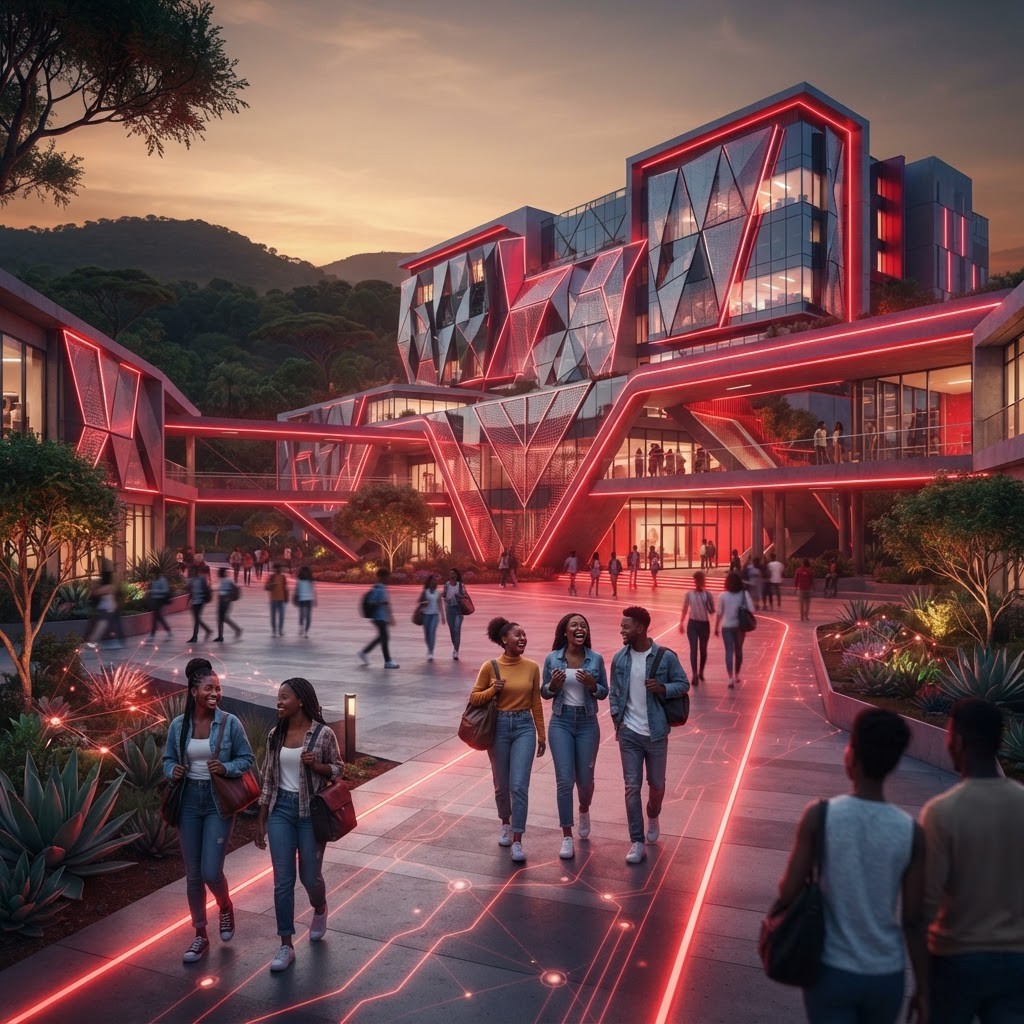
The Role of Colleges in National Development
Colleges occupy a crucial place in Sierra Leone's education system, providing the specialized training and practical skills that bridge secondary school and the world of work. While universities focus heavily on academic degrees, colleges emphasize vocational education, technical diplomas, teacher training, nursing, and other career-focused programs. These institutions equip students with the hands-on competencies employers demand, playing a key role in building a skilled national workforce.
From teacher training colleges to technical and vocational institutes, Sierra Leone's colleges serve students seeking direct pathways into professions. They are essential to addressing skills gaps and supporting economic development across sectors such as health, education, technology, and industry.
Why Colleges Are Essential
Colleges offer accessible, practical education that prepares graduates for immediate employment. Their programs are often shorter and more focused than university degrees, making them attractive to students who want to enter the workforce quickly or gain specific technical skills. By producing teachers, nurses, technicians, and skilled tradespeople, colleges directly support the sectors that keep the country functioning and growing.
Top 10 Colleges in Sierra Leone
1. Milton Margai Technical University (formerly Milton Margai College). A leading institution for technical and vocational education, it offers a wide range of practical programs. It is highly regarded for producing skilled graduates across engineering, education, and applied sciences.
2. Freetown Teachers College. Dedicated to training the nation's educators, this college plays a vital role in strengthening the teaching profession. Its focus on pedagogy and classroom skills supports quality education nationwide.
3. Government Technical Institute. Specializing in technical and trade skills, this institute prepares students for careers in engineering, construction, and industry. Its hands-on training is valued by employers seeking practical competence.
4. College of Medicine and Allied Health Sciences. A premier institution for health education, it trains doctors, nurses, and allied health professionals. Its programs are central to building Sierra Leone's healthcare workforce.
5. Eastern Polytechnic. Located in the eastern region, this polytechnic offers diverse diploma and certificate programs. It provides accessible technical and vocational education to students in the provinces.
6. Northern Polytechnic. Serving the northern region, this institution delivers practical training in agriculture, technology, and business. It supports regional development by equipping students with market-relevant skills.
7. Freetown Business College. Focused on commerce, accounting, and management, this college prepares students for careers in business and administration. Its practical curriculum meets the needs of a growing commercial sector.
8. National School of Nursing. Dedicated to nursing education, this institution trains compassionate, skilled healthcare providers. Its graduates are essential to hospitals and clinics across the country.
9. Institute of Public Administration and Management. This college focuses on public sector management and administration training. It develops professionals capable of strengthening governance and organizational efficiency.
10. Sierra Leone Technical and Vocational College. Offering a broad range of vocational programs, this college emphasizes employable skills. It caters to students seeking practical training across multiple trades and industries.
Trends in College Education
Technical and vocational education is receiving growing recognition as a driver of economic development in Sierra Leone. There is increasing emphasis on aligning college programs with labor market needs, ensuring graduates possess the skills employers actually require. This practical orientation is helping to reduce unemployment and support industry growth.
Healthcare and teacher training remain priority areas, reflecting national needs for more qualified professionals in these fields. At the same time, colleges are gradually incorporating digital skills and entrepreneurship into their curricula, preparing students to thrive in a modern, technology-driven economy.
Choosing the Right College
Selecting a college depends on career goals and the field of interest. Aspiring teachers, nurses, and technicians should seek institutions specializing in their chosen profession, while students wanting broad vocational skills may prefer polytechnics offering diverse programs. Considering accreditation, program quality, location, and employment outcomes helps students make choices that lead to rewarding careers.
Conclusion
Colleges are indispensable to Sierra Leone's progress, producing the skilled professionals who power its healthcare, education, and technical sectors. The institutions featured here offer practical, career-focused education that opens doors to meaningful employment. As the country continues to prioritize skills development, colleges will remain vital engines of opportunity and national growth.
