
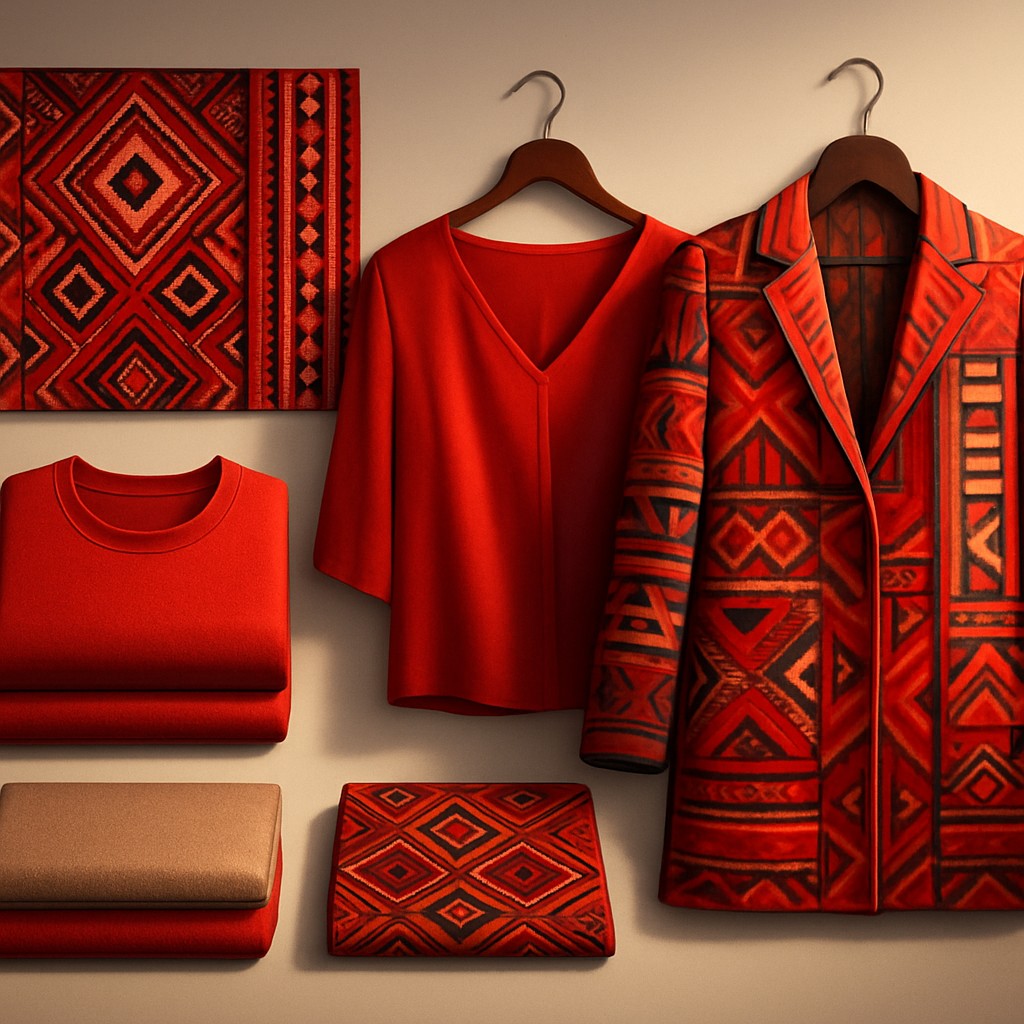
The Growing Fashion Landscape in Malawi
Malawi's clothing industry has experienced a quiet but steady transformation over the past decade. What was once a market dominated by imported second-hand garments has matured into a vibrant ecosystem of locally inspired brands, retail chains, and tailoring houses that blend traditional Malawian craftsmanship with contemporary design. Urban centres such as Lilongwe, Blantyre, Mzuzu, and Zomba have become hubs where shoppers can find everything from formal business attire to casual streetwear and richly patterned ceremonial outfits.
This shift reflects a broader cultural pride. Malawian consumers increasingly value clothing that tells a story, supports local livelihoods, and stands up to the demands of daily life. The best clothing brands in the country have responded by focusing on durable fabrics, fair pricing, and designs that resonate with both younger trend-conscious buyers and established professionals.
What Sets the Best Clothing Brands Apart
Quality is the cornerstone of any reputable clothing brand in Malawi. Leading names invest in well-sourced cotton, sturdy stitching, and finishes that withstand frequent washing and the warm climate. Beyond fabric, the strongest brands distinguish themselves through consistent sizing, attentive customer service, and a clear sense of identity. Some lean into chitenje-inspired prints and African heritage motifs, while others pursue a clean, minimalist aesthetic suited to corporate environments.
Affordability also plays a defining role. Because much of the population is price sensitive, the most successful brands strike a careful balance between premium quality and accessible pricing. They often offer tiered collections, ensuring that students, young professionals, and high-end shoppers can all find something appropriate.
Leading Clothing Brands and Retailers
Several names consistently rise to the top when Malawians discuss reliable, stylish clothing. Mr Price, with its presence in major shopping centres, remains a favourite for affordable, on-trend fashion for the whole family. Truworths caters to shoppers seeking polished, fashion-forward apparel and recognisable international styling. Edgars has built a strong reputation for formal wear, footwear, and accessories that appeal to professionals.
On the homegrown side, Mhubiri and a wave of independent Malawian labels have gained popularity by celebrating local print culture and producing limited, design-led collections. Tailoring houses across Blantyre and Lilongwe also serve as informal but highly respected brands in their own right, crafting bespoke chitenje suits, dresses, and ceremonial garments for clients who value a personal fit.
Sportswear and casual labels such as Jet provide budget-friendly basics, while boutique stores in upscale districts offer curated international pieces for shoppers wanting something distinctive. Together, these brands form a layered marketplace that meets the needs of a diverse population.
The Rise of Locally Made Fashion
One of the most exciting trends in Malawi is the growth of locally designed and manufactured clothing. Young entrepreneurs are launching labels that fuse modern silhouettes with traditional fabrics, often producing in small batches that emphasise uniqueness and craftsmanship. These brands frequently sell through pop-up markets, fashion showcases, and social gatherings, building loyal followings through word of mouth.
This movement carries economic and cultural weight. By keeping production within Malawi, these brands create employment for tailors, seamstresses, and textile workers while preserving artisanal skills. They also help reduce reliance on imported clothing, channelling spending back into local communities and nurturing a sense of national identity expressed through fashion.
Trends Shaping Malawian Apparel
Several trends are influencing how Malawians dress today. Sustainable and ethically produced clothing is gaining attention, particularly among environmentally conscious younger buyers. Modern interpretations of traditional attire remain immensely popular for weddings, church services, and national celebrations. There is also rising demand for versatile, climate-appropriate clothing made from breathable natural fibres suited to Malawi's warm conditions.
Digital engagement is changing the shopping experience as well. Brands that maintain an active social media presence and offer convenient ordering options are connecting with customers far beyond their physical storefronts, reaching shoppers in smaller towns and rural areas.
Choosing the Right Brand for You
Selecting the best clothing brand ultimately depends on personal priorities. Shoppers seeking everyday value may gravitate towards established retail chains with broad selections and frequent promotions. Those who prize individuality and cultural expression often turn to local designers and bespoke tailors. Professionals needing dependable formal wear benefit from brands known for tailored fits and quality finishes.
When evaluating a brand, consider fabric quality, fit consistency, after-sales support, and how well the label's identity matches your lifestyle. Reading the experiences of other customers and inspecting garments in person can help ensure satisfaction.
The Economic Impact of Malawi's Fashion Industry
Beyond personal style, Malawi's clothing industry contributes meaningfully to the national economy. Retail chains employ thousands of workers across stores, warehouses, and logistics, while local designers and tailors sustain small enterprises in nearly every town. The textile and garment value chain, from cotton cultivation to finished apparel, offers significant potential for job creation and export growth as the sector continues to develop.
Consumer spending on clothing also reflects broader economic confidence and changing lifestyles. As more Malawians enter the formal workforce and urban populations expand, demand for both professional and casual attire rises steadily. Brands that invest in local production, fair employment, and quality craftsmanship not only build loyal customers but also strengthen the foundations of a more self-reliant and prosperous fashion economy.
Conclusion
Malawi's clothing scene is richer and more dynamic than ever, offering a blend of international retail convenience and proudly local craftsmanship. The best brands distinguish themselves through quality, fair pricing, cultural relevance, and dependable service. Whether you favour established retailers or emerging Malawian designers, the country's growing fashion industry ensures there is a style and a brand to suit every taste and budget.
