
Cycling Culture in Austria
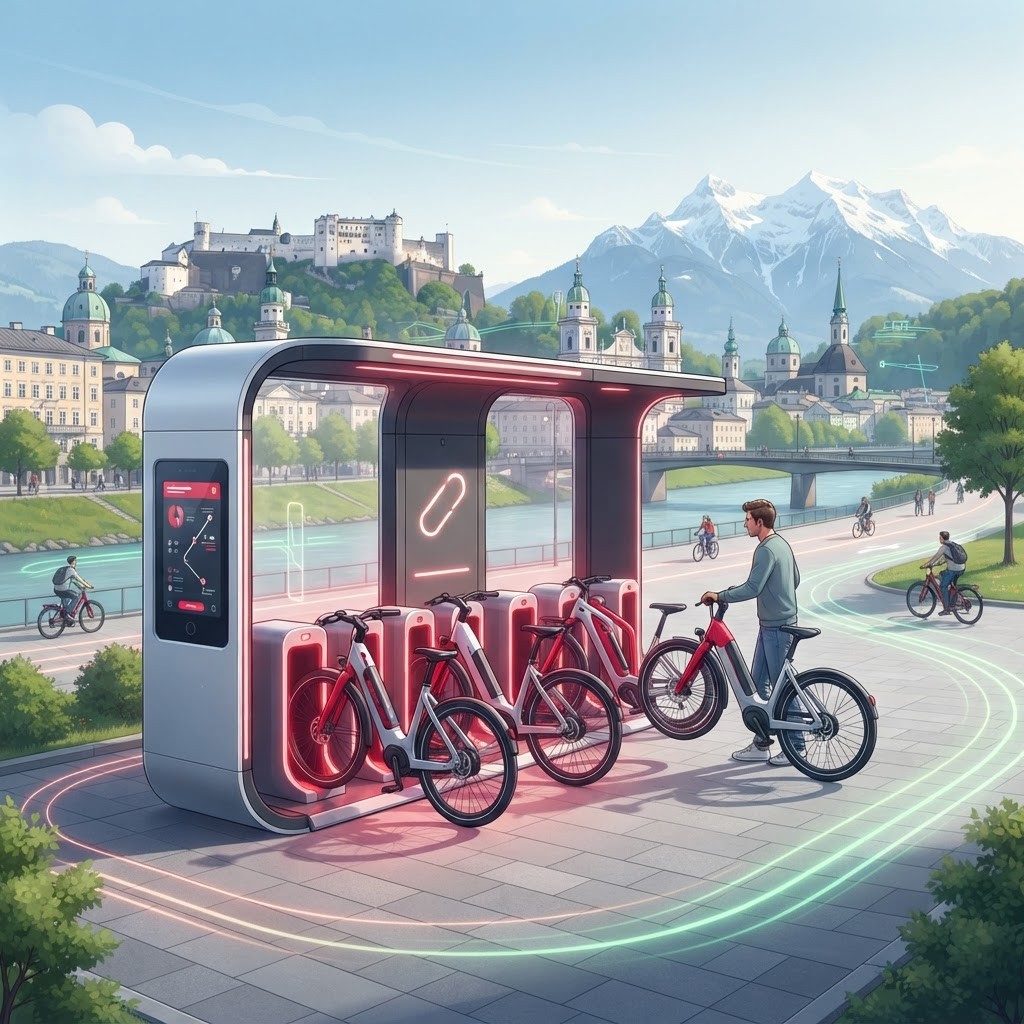
Austria has embraced cycling as both a practical means of transport and a beloved leisure activity. With more than a thousand kilometres of well-maintained cycle paths, including the world-famous Danube Cycle Path, the country attracts casual riders and serious cycling enthusiasts alike. Rising environmental awareness and the popularity of electric bikes have driven strong demand for flexible, high-quality rental services in cities, lakeside resorts, and mountain regions.
Bike rental in Austria ranges from automated urban sharing systems designed for short trips to full-service touring outfitters that supply premium road bikes, mountain bikes, and e-bikes for multi-day adventures. This diversity means there is a suitable option for nearly every type of rider.
Leading Urban Bike-Sharing Systems
WienMobil Rad, operated in connection with Vienna's public transport ecosystem, has become the capital's go-to bike-sharing scheme. With numerous stations spread across the city and seamless integration into the broader mobility app, it allows residents and visitors to grab a bike for the last mile of any journey.
nextbike Austria is one of the most widespread providers in the country, operating station-based sharing schemes in numerous towns and cities including Graz, Linz, and various regional hubs. Its recognisable fleet and straightforward app-based rental process make it a dependable choice for spontaneous rides.
Citybike systems in regional centres continue to expand as municipalities invest in cycling infrastructure. These schemes typically offer affordable short-term rentals, encouraging locals to swap car trips for healthier, greener alternatives.
Specialists for Touring and E-Bikes
Pedal Power, based in Vienna, is a well-established rental and tour operator catering to visitors who want quality bikes and guided experiences. Its range includes city bikes, e-bikes, and equipment suited to exploring the capital and the surrounding Danube region.
Eurobike specialises in cycling holidays and rentals along Austria's most scenic routes, particularly the Danube Cycle Path. Known for reliable equipment, luggage transfer services, and expertly planned itineraries, it is a favourite among travellers seeking a stress-free tour.
Fahrrad Wolfrad and similar independent shops in Salzburg provide personalised service, high-end road and mountain bikes, and local expertise. These outfitters excel at matching riders with the right equipment for alpine terrain.
Alpine and Mountain Rental Experts
Sport 2000 rental network operates across many Austrian ski and mountain resorts, offering mountain bikes and e-mountain bikes during the warmer months. With outlets close to trailheads and cable cars, it makes exploring the Tyrolean and Salzburg mountains remarkably convenient.
INTERSPORT Rent provides a similar resort-based model, supplying well-maintained bikes for trail riding and family outings. Its widespread presence in alpine destinations ensures easy access for holidaymakers.
Bikepark and resort-based rentals in regions such as Saalbach and Leogang cater to downhill and enduro riders. These specialists stock robust full-suspension bikes and protective gear, supporting Austria's growing reputation as a mountain biking destination.
What to Consider When Renting
Choosing the right service depends on your goals. For quick city trips, station-based systems like WienMobil Rad and nextbike offer unbeatable convenience and value. For multi-day tours along the Danube or through the lake district, dedicated touring operators such as Eurobike provide the equipment and logistical support that make long journeys comfortable.
Riders heading into the mountains should prioritise resort-based specialists that stock durable mountain and e-mountain bikes, along with helmets and protective equipment. E-bikes in particular have transformed alpine cycling, allowing riders of all fitness levels to tackle demanding climbs and enjoy the scenery.
The Growing Role of E-Bikes and Sustainability
Electric bikes have reshaped the Austrian rental market. They broaden the appeal of cycling to older riders, families, and commuters facing hilly terrain, and they extend the range of a comfortable day trip. Rental providers have responded by expanding their e-bike fleets and investing in charging infrastructure.
Sustainability remains central to the sector's growth. By encouraging cycling over car use, rental services contribute to cleaner air and quieter streets, aligning with Austria's environmental priorities. Many operators also maintain their fleets responsibly and promote eco-friendly tourism.
Practical Tips for Renters
Getting the most from a bike rental in Austria comes down to a little preparation. Booking in advance is wise during the busy summer months, especially for e-bikes and premium touring models, which are in high demand. It is worth checking whether helmets, locks, repair kits, and child seats are included, as policies vary between providers. For longer tours, services offering luggage transfer and pre-planned routes can transform a trip, allowing riders to focus on the scenery rather than logistics. Many operators also provide route maps and local advice, which is invaluable when navigating unfamiliar terrain. Finally, confirming insurance coverage and understanding return procedures ensures a smooth, worry-free experience from start to finish.
Final Thoughts
Austria's bike rental landscape is impressively varied, spanning automated urban sharing schemes, dedicated touring companies, and alpine specialists. Whether you are weaving through Vienna's streets, following the Danube for days on end, or descending a Tyrolean mountain trail, there is a trusted provider ready to equip you. This blend of convenience, quality, and sustainability makes cycling one of the most rewarding ways to experience the country.
