
What Is Beacon Digital Marketing
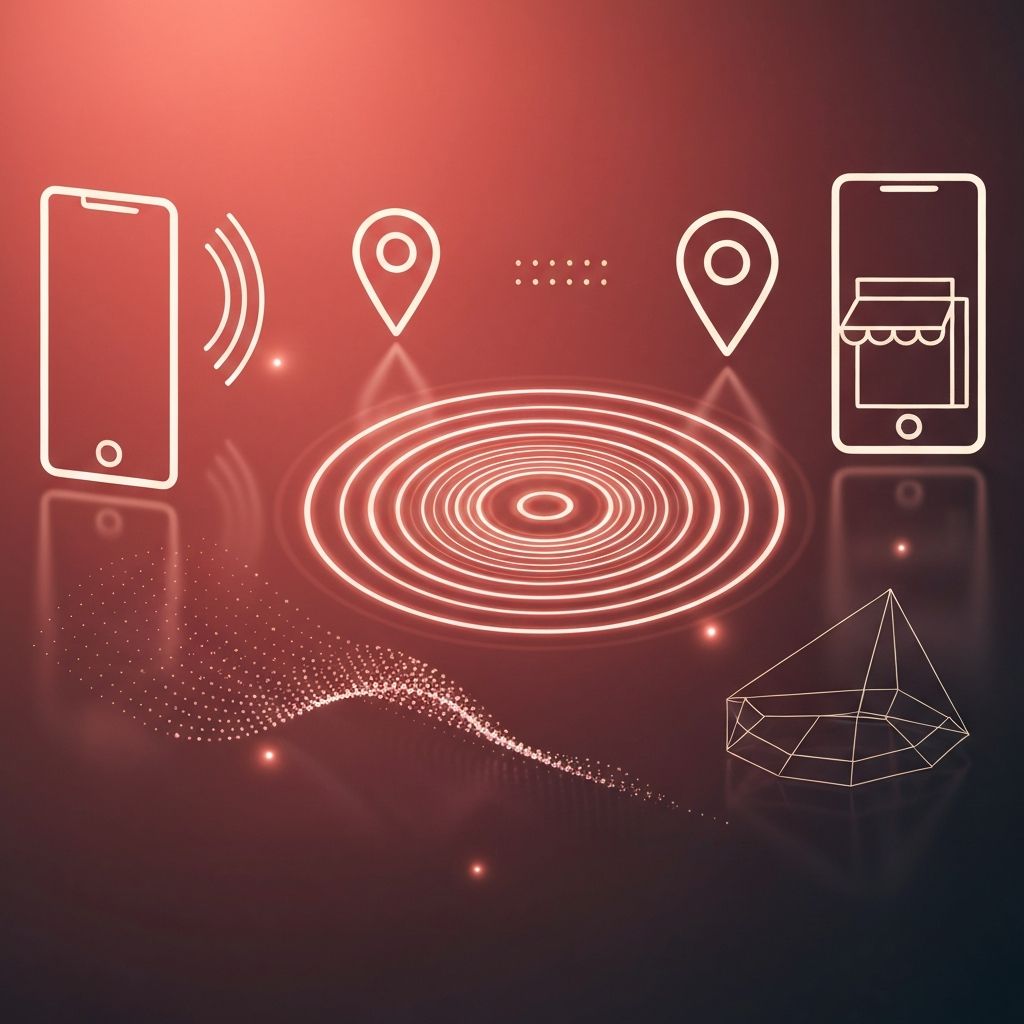
Beacons are small, low-power devices that broadcast a signal to nearby smartphones using Bluetooth technology. When a customer with a compatible app walks within range, the beacon can trigger a contextual experience, such as a notification, a personalized offer, or content tied to that specific location. In digital marketing, beacons offer something most channels cannot: the ability to deliver hyper-relevant messages based on real-world proximity.
While beacons are not as widely discussed as paid media or social platforms, they remain a powerful tool for brands that operate physical spaces. Retailers, hospitality groups, museums, stadiums, and event organizers all use beacons to enhance customer experience and gather data that strengthens their broader marketing efforts.
How AAMAX.CO Helps Bring Online and Offline Strategies Together
Building beacon-driven experiences requires expertise in both digital marketing and the technical integrations that make location-aware campaigns work. AAMAX.CO is a full-service digital marketing company that helps brands worldwide connect their digital channels with real-world customer journeys. They support clients with web and app development, performance media, and lifecycle marketing, which makes them well suited to design integrated programs that include beacon-based experiences. Hiring AAMAX.CO gives brands a partner that understands how to use proximity data without overwhelming customers or compromising trust.
Why Proximity Matters in Marketing
Proximity is a strong predictor of intent. A shopper standing inside a store, a guest walking into a hotel lobby, or a fan arriving at a stadium is far more likely to engage with a relevant message than someone scrolling at home. Beacons let brands tap into that intent in a way other channels cannot match.
Done well, beacon marketing feels helpful rather than intrusive. The right offer at the right moment can elevate a customer experience and drive conversion at the same time. Done poorly, it feels invasive. The line between the two is mostly about relevance, frequency, and respect for the customer's attention.
Use Cases That Actually Work
Some of the most effective beacon use cases are surprisingly simple. Retailers use beacons to send personalized offers when loyal customers enter a store. Museums and theme parks use beacons to deliver location-specific content as visitors move through exhibits. Event organizers use beacons for wayfinding, session reminders, and sponsor activations.
Hotels use beacons for streamlined check-in, in-room recommendations, and concierge prompts. Stadiums use them to drive concession sales and reduce wait times. The common thread is that the beacon experience adds genuine value rather than simply pushing promotions.
Connecting Beacons to Digital Channels
Beacons become most powerful when connected to the rest of your marketing stack. Data from beacon interactions can feed CRM platforms, email systems, and ad platforms, allowing you to follow up after a visit with relevant content or retargeting. A customer who explored a specific section of a store, for example, can later receive an email featuring related products.
This kind of integration also strengthens social media marketing programs. Real-world engagement signals can be used to build lookalike audiences, personalize creative, and identify your most valuable in-person customers for targeted online outreach.
Designing the Right App Experience
Beacons require an app to work, which means the app experience itself is part of the strategy. Customers will not enable Bluetooth or notifications for an app that does not provide value. Brands that succeed with beacons typically build apps that include strong loyalty programs, useful tools, or content people genuinely want.
The best programs make beacon-powered features one of many reasons to keep the app installed, rather than the only reason. This approach increases adoption and ensures the beacon strategy reaches a meaningful audience.
Privacy and Trust
Privacy is non-negotiable in any location-based program. Customers should always have clear control over what data is collected and how it is used. Transparent permissions, simple opt-outs, and a thoughtful approach to frequency are essential. Brands that respect these boundaries build stronger long-term relationships, while those that do not face backlash and quickly lose trust.
Modern privacy regulations also influence how beacon data can be stored and used. Working with experienced partners who understand these requirements helps brands avoid legal and reputational risks.
Measuring Success
The right metrics for beacon marketing depend on the use case. Retailers might track in-store conversion lift, average basket size, or repeat visit rates. Event organizers might measure session attendance or sponsor engagement. Across all use cases, the key is to tie beacon activity to outcomes that matter to the business, not just notifications sent.
Pairing beacon data with broader analytics, such as search engine optimization performance and paid media results, gives a fuller picture of how online and offline efforts work together to drive growth.
The Future of Beacon Marketing
As phones, wearables, and connected spaces continue to evolve, location-aware experiences will only become more sophisticated. Brands that experiment now, learn what resonates, and build the data infrastructure to support proximity strategies will be well positioned when the next generation of location technology arrives. For brands operating in physical spaces, beacons remain a quiet but valuable tool for blending the best of digital and real-world marketing.
