
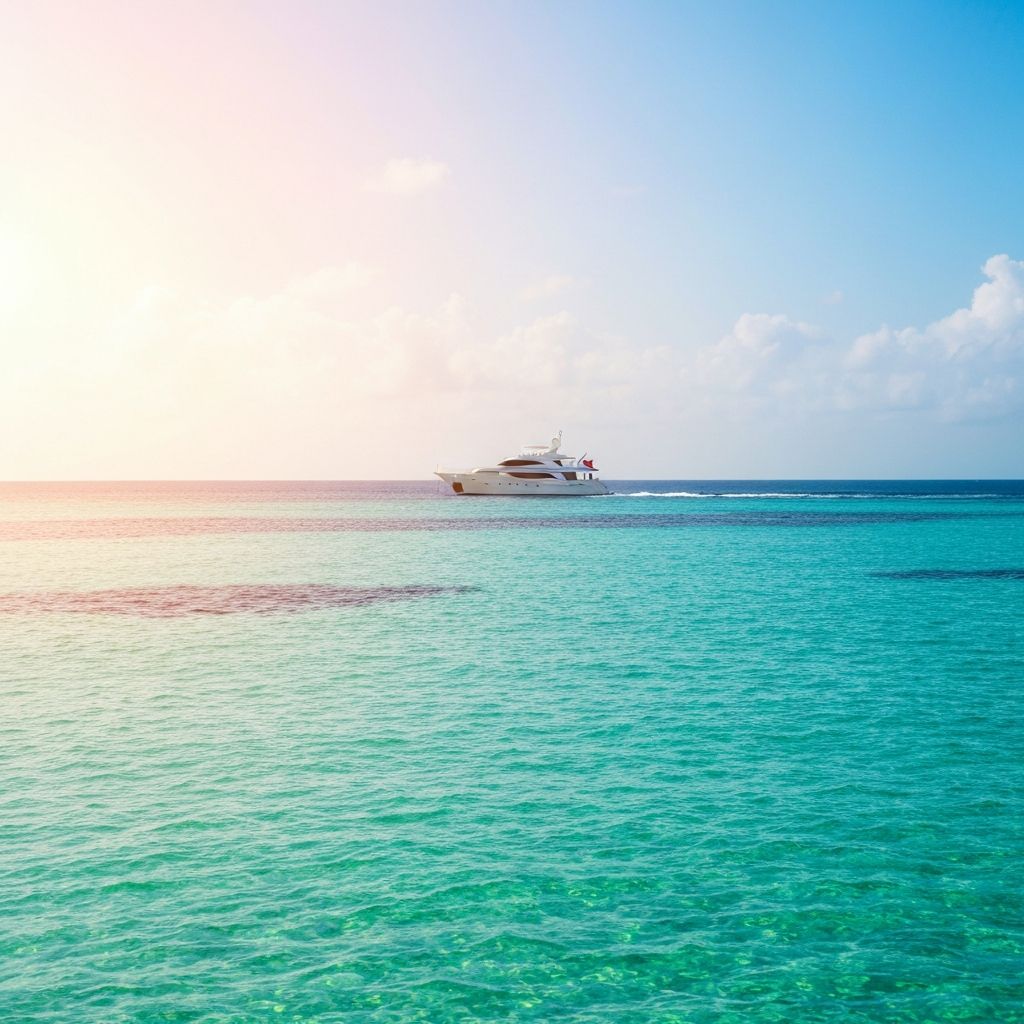
Understanding Temperature on a Cruise Ship
One of the most common questions first-time cruisers ask is about the temperature they can expect on a cruise ship. The answer is more nuanced than a single number, as cruise ship temperatures vary depending on whether you are indoors or outdoors, the ship's itinerary, the time of year, and your specific location on the ship. Understanding these temperature variations helps you pack appropriately, plan your daily activities, and ensure maximum comfort throughout your voyage. Whether you are booking a Caribbean getaway, an Alaskan adventure, or a Mediterranean expedition, knowing what temperatures to expect can significantly enhance your cruise experience.
Modern cruise ships are essentially floating cities with sophisticated climate control systems that maintain comfortable indoor temperatures regardless of the weather outside. These HVAC systems represent a significant engineering achievement, as they must handle the unique challenges of a marine environment, including high humidity, salt air, varying outdoor temperatures, and the diverse comfort preferences of thousands of passengers from different climates and cultural backgrounds. The result is an indoor environment that remains remarkably consistent even as the ship sails through dramatically different climate zones during a single voyage.
Indoor Temperature on Cruise Ships
The average indoor temperature on a cruise ship is typically maintained between 68 and 72 degrees Fahrenheit (20 to 22 degrees Celsius). This range is considered the comfort zone for most people and is consistent with the temperatures maintained in hotels, office buildings, and other commercial facilities. However, you will encounter variations within this range as you move through different areas of the ship, and individual perception of these temperatures will vary based on personal comfort preferences, activity level, and the clothing you are wearing.
Public areas such as the main dining room, theater, and lounges tend to be on the cooler side of the indoor temperature range. This is intentional, as these spaces accommodate large numbers of people, and body heat from a packed theater or dining room can quickly raise the temperature if the baseline is not set lower. Many experienced cruisers bring a light sweater or wrap to these venues, as what feels comfortable when you first sit down may become cool during a lengthy show or multi-course dinner. The ship's casino, if present, is often among the coolest indoor spaces on the ship.
Staterooms typically offer individual temperature control, allowing you to adjust the room to your personal preference. Most stateroom thermostats allow adjustments within a range of approximately 60 to 78 degrees Fahrenheit (16 to 26 degrees Celsius), though the exact range varies by cruise line and ship. The ability to control your cabin temperature is one of the advantages of a cruise over other forms of group travel, as you can create a sleeping environment that matches your preferences regardless of the temperatures maintained in public areas. If your stateroom thermostat is not responsive, do not hesitate to contact your stateroom steward, as there may be a technical issue that can be resolved quickly.
Outdoor Temperature by Cruise Destination
Outdoor temperatures on a cruise ship are determined entirely by the ship's itinerary and the time of year. Caribbean cruises, the most popular cruise destination, offer consistently warm temperatures throughout the year. Average daytime temperatures in the Caribbean range from 78 to 88 degrees Fahrenheit (26 to 31 degrees Celsius), with water temperatures in the comfortable 78 to 84 degree Fahrenheit (26 to 29 degrees Celsius) range. The Caribbean's tropical climate means that temperatures remain relatively consistent year-round, with only slight variations between winter and summer seasons, making it an ideal cruise destination for travelers seeking warm weather at any time of year.
Mediterranean cruises offer a wider temperature range depending on the season. Summer Mediterranean cruises (June through August) feature average daytime temperatures of 80 to 95 degrees Fahrenheit (27 to 35 degrees Celsius), with some port cities in southern Europe and North Africa reaching even higher temperatures during heat waves. Spring and fall Mediterranean cruises offer more moderate temperatures in the 65 to 80 degrees Fahrenheit (18 to 27 degrees Celsius) range, which many travelers find ideal for sightseeing and exploring port cities on foot. Winter Mediterranean cruises are less common but offer mild temperatures of 50 to 65 degrees Fahrenheit (10 to 18 degrees Celsius) in most ports.
Alaska cruises present the most dramatic temperature contrast to the warm-weather cruise experience. Summer Alaska cruise temperatures, during the peak season of June through August, average 55 to 65 degrees Fahrenheit (13 to 18 degrees Celsius) at sea level, with temperatures dropping significantly at higher elevations and near glaciers. Temperatures in the 40s and 50s Fahrenheit (4 to 15 degrees Celsius) are common during glacier viewing, and some excursions may expose you to even cooler conditions. Despite these seemingly low temperatures, the long daylight hours and stunning natural scenery make Alaska cruises extraordinarily popular, and the cool weather is part of the appeal for travelers escaping summer heat in the lower 48 states.
Deck-by-Deck Temperature Variations
Even within the outdoor areas of a cruise ship, temperatures can vary significantly depending on your location. The pool deck, typically located on the upper outdoor decks, is the warmest outdoor area on the ship during sunny weather. These decks receive direct sunlight throughout the day and benefit from wind protection provided by the ship's superstructure. On Caribbean cruises, pool deck temperatures can feel significantly warmer than the ambient air temperature due to the combination of direct sun, reflected heat from the deck surface, and reduced wind exposure in sheltered areas.
The promenade deck or walking track, usually located on a lower outdoor deck, tends to be cooler than the pool deck due to partial shading from upper decks and greater exposure to sea breezes. This makes it a comfortable location for walking and exercise, particularly on warm-weather itineraries where the pool deck may feel too hot for physical activity. The promenade deck also provides a pleasant environment for reading or simply watching the ocean, with temperatures that are typically a few degrees cooler than the pool deck.
Forward and aft outdoor areas of the ship can experience significantly different wind conditions, which dramatically affect perceived temperature. The forward (front) areas of the ship are exposed to headwind created by the ship's forward motion, which can make these areas feel 10 to 15 degrees Fahrenheit cooler than sheltered areas. This wind chill effect is particularly noticeable at night or on cooler-weather itineraries. The aft (rear) areas are relatively sheltered from headwind and tend to feel warmer and calmer, making them popular spots for outdoor dining and evening socializing.
How Cruise Lines Manage Temperature
Cruise ship climate control systems are marvels of engineering that must balance multiple competing demands. The HVAC systems on modern mega cruise ships are comparable in capacity to those found in large commercial buildings, capable of processing thousands of tons of conditioned air per hour. These systems must handle the unique challenges of the marine environment, including the corrosive effects of salt air on equipment, the constant movement and vibration of the ship, and the need to maintain comfortable conditions in spaces ranging from packed theaters to quiet spa treatment rooms.
The pool deck area on many modern cruise ships features retractable roofs or weather shields that can be deployed during inclement weather or in cooler climates, effectively converting the pool area into a climate-controlled indoor space. Some ships also feature heated pools and hot tubs that maintain comfortable water temperatures regardless of the air temperature outside, allowing guests to enjoy water activities even on Alaska or Northern European itineraries. These engineering solutions expand the usable outdoor space on the ship and ensure that guests can enjoy the pool and deck areas in virtually any weather condition.
Cruise lines also manage passenger comfort through thoughtful scheduling and communication. Daily activity schedules often highlight outdoor events during the warmest parts of the day and move activities indoors during cooler periods. The ship's daily newsletter typically includes weather forecasts and suggested clothing for the day's port of call, helping passengers dress appropriately for both shipboard and shore-side activities. Some cruise lines also provide blankets on deck during cooler evenings, allowing guests to enjoy outdoor movies, stargazing events, and deck parties in comfort.
Packing Tips Based on Temperature Expectations
Smart packing for a cruise requires understanding the temperature variations you will encounter and preparing for the full range. For warm-weather cruises to the Caribbean, Mexico, or the Mediterranean in summer, pack lightweight, breathable clothing in natural fabrics like cotton and linen. Include swimwear, shorts, sundresses, and casual resort wear for daytime, along with slightly more polished outfits for evening dining. Do not forget a light sweater or cardigan for air-conditioned indoor spaces, as the contrast between warm outdoor temperatures and cool indoor temperatures catches many first-time cruisers off guard.
For cool-weather cruises to Alaska, Northern Europe, or the Mediterranean in spring or fall, layering is the essential packing strategy. Pack a waterproof outer layer, fleece or wool mid-layers, and moisture-wicking base layers that can be combined in various configurations to match the day's conditions. A warm hat, gloves, and scarf are essential for Alaska cruises and advisable for Northern European itineraries. Waterproof shoes with good traction are important for excursions in potentially wet and slippery conditions. Despite the cooler outdoor temperatures, pack comfortable warm-weather clothing for the ship's indoor spaces and pool areas, which are maintained at consistent warm temperatures.
Regardless of the itinerary, certain items belong in every cruise packing list to address temperature-related comfort. A compact, packable rain jacket serves double duty as wind protection and rain gear. Sunscreen and a hat are essential even on cooler-weather cruises, as UV exposure is intensified by reflection off the water. A pair of comfortable closed-toe shoes is needed for shore excursions in any climate, while deck shoes or sandals with non-slip soles are important for safe movement on the ship's outdoor decks. Packing versatile, mix-and-match pieces that can be layered allows you to adapt to the full range of temperatures you will encounter during your voyage.
