
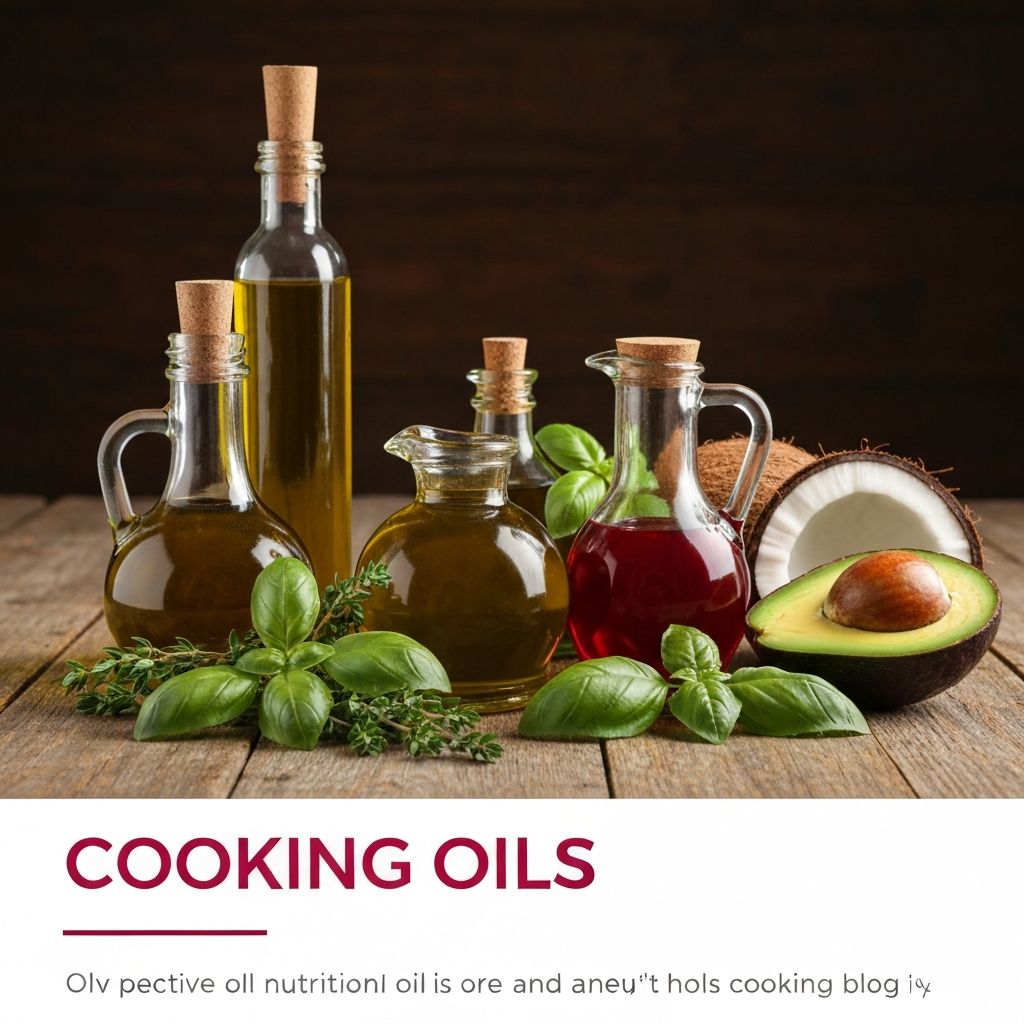
The Official Classification of Oils in Nutrition
The question of whether oils constitute a food group has been the subject of ongoing discussion in the nutrition community. According to the United States Department of Agriculture (USDA) and their MyPlate dietary guidelines, oils are not officially classified as a food group. Instead, they are recognized as an essential component of a healthy diet that deserves special attention and guidance.
The USDA identifies five official food groups: fruits, vegetables, grains, protein foods, and dairy. While oils are not included among these five groups, the USDA acknowledges that they provide essential nutrients, particularly vitamin E and essential fatty acids, that are necessary for good health. This unique classification reflects the fact that while oils are calorically dense and should be consumed in moderation, they play a critical role in nutrient absorption and cellular function.
Other dietary guidelines around the world handle the classification of oils differently. The Australian Dietary Guidelines, for example, include oils as part of their discretionary food category, while some European guidelines incorporate fats and oils as a separate tier in their food pyramid models. These varying approaches reflect the complex relationship between dietary fats and health.
Why Oils Are Essential for Health
Despite not being classified as a formal food group, oils and dietary fats are absolutely essential for human health. Every cell in your body requires fatty acids to maintain the integrity of its cell membrane, and numerous vital processes depend on an adequate supply of dietary fats.
Fat-soluble vitamins A, D, E, and K cannot be absorbed by the body without the presence of dietary fat. This means that even a diet rich in these vitamins will not provide their benefits if sufficient fat is not consumed alongside them. Eating a salad full of vitamin A-rich vegetables without any oil-based dressing, for example, significantly reduces your body's ability to absorb that vitamin A.
Essential fatty acids, specifically omega-3 and omega-6 fatty acids, are called "essential" because the body cannot produce them on its own and must obtain them from food sources. Omega-3 fatty acids, found in fish oil, flaxseed oil, and walnut oil, have powerful anti-inflammatory properties and are crucial for brain health, cardiovascular function, and fetal development. Omega-6 fatty acids, found in most vegetable oils, are important for skin health, bone density, and metabolic regulation.
Oils also provide concentrated energy, delivering 9 calories per gram compared to 4 calories per gram for carbohydrates and protein. While this caloric density means oils should be consumed in appropriate quantities, it also makes them an efficient energy source for active individuals and those with high caloric needs.
Types of Cooking Oils and Their Health Profiles
Not all oils are created equal, and understanding the differences between various types can help you make healthier choices in the kitchen. Oils are generally classified based on their fatty acid composition into three categories: saturated, monounsaturated, and polyunsaturated fats.
Olive oil, particularly extra virgin olive oil, is widely regarded as one of the healthiest cooking oils available. Rich in monounsaturated fatty acids (MUFAs) and polyphenol antioxidants, olive oil has been extensively studied and associated with reduced risk of heart disease, lower inflammation, and improved cholesterol profiles. It is a cornerstone of the Mediterranean diet, which is consistently ranked among the healthiest dietary patterns in the world.
Avocado oil shares many of olive oil's health benefits, with a similar monounsaturated fat profile and a higher smoke point that makes it more versatile for high-heat cooking. It is also rich in lutein, an antioxidant that supports eye health. Avocado oil's mild, neutral flavor makes it suitable for a wide range of culinary applications.
Coconut oil has been the subject of considerable debate in the nutrition community. While it contains medium-chain triglycerides (MCTs) that may offer certain metabolic benefits, coconut oil is approximately 82% saturated fat, which is higher than butter. Most major health organizations recommend limiting saturated fat intake, so coconut oil should be used in moderation as part of an overall balanced diet.
Seed oils such as canola, sunflower, safflower, and soybean oil are high in polyunsaturated fatty acids and are commonly used in commercial food production. While these oils provide essential fatty acids, they are often highly processed and can be high in omega-6 fatty acids. An excessive ratio of omega-6 to omega-3 fatty acids in the diet has been associated with increased inflammation, so balancing intake of these oils with omega-3-rich sources is important.
How Much Oil Should You Consume Daily?
The USDA recommends that most adults consume between 5 and 7 teaspoons (approximately 22 to 31 grams) of oils per day, depending on age, sex, and calorie needs. This recommendation includes not only the oils used in cooking and salad dressings but also the oils naturally present in foods like nuts, seeds, avocados, olives, and fatty fish.
It is important to distinguish between oils that count toward this allowance and solid fats that do not. Oils are fats that are liquid at room temperature and come primarily from plant sources and fish. Solid fats, such as butter, lard, shortening, and the fat in fatty meats and full-fat dairy products, are generally higher in saturated fatty acids and are not included in the oil allowance.
To put this in practical terms, a tablespoon of olive oil used to sauté vegetables, a quarter of an avocado in your salad, and a small handful of almonds as a snack would approximately meet the daily oil recommendation for most adults. Tracking your oil intake for a few days can help you understand whether you are meeting, exceeding, or falling short of this guideline.
The Role of Oils in Cooking
Beyond their nutritional value, oils play several critical functional roles in cooking that affect the flavor, texture, and safety of food. Understanding the concept of smoke point is essential for using oils safely and effectively in the kitchen.
The smoke point is the temperature at which an oil begins to break down and produce visible smoke. When an oil exceeds its smoke point, it releases harmful compounds including acrolein and other toxic aldehydes. Cooking with an oil above its smoke point also degrades its nutritional value and produces off-flavors that can ruin a dish.
For high-heat cooking methods such as frying, searing, and roasting, choose oils with high smoke points like avocado oil (approximately 520 degrees Fahrenheit), refined safflower oil (approximately 510 degrees Fahrenheit), or light olive oil (approximately 468 degrees Fahrenheit). For medium-heat cooking, sauteing, and baking, extra virgin olive oil (approximately 375 degrees Fahrenheit), coconut oil (approximately 350 degrees Fahrenheit), and butter (approximately 350 degrees Fahrenheit) are appropriate choices.
For cold applications such as salad dressings, dipping sauces, and finishing drizzles, choose oils with the best flavor profiles. Extra virgin olive oil, walnut oil, toasted sesame oil, and flaxseed oil all offer distinctive flavors that can enhance dishes without the need for heat.
Common Myths About Dietary Oils
Several persistent myths about dietary oils continue to circulate, causing confusion among health-conscious consumers. One of the most common is the belief that all fats, including oils, should be avoided for weight loss. In reality, moderate consumption of healthy oils can actually support weight management by promoting satiety, improving nutrient absorption, and providing essential fatty acids that support metabolic function.
Another common myth is that heating olive oil destroys all of its health benefits. While extreme heat can degrade some of the polyphenol antioxidants in extra virgin olive oil, studies have shown that these compounds are remarkably stable at normal cooking temperatures. Olive oil remains a healthy cooking choice for most home cooking applications.
The idea that fat-free diets are healthier is perhaps the most damaging myth of all. The low-fat diet craze of the 1980s and 1990s led many people to replace dietary fats with refined carbohydrates and added sugars, contributing to increases in obesity, diabetes, and heart disease. Modern nutritional science recognizes that the type of fat consumed is far more important than the total amount, and that healthy oils are an essential component of a balanced diet.
Incorporating Healthy Oils Into Your Diet
Making healthy oils a regular part of your diet does not require dramatic changes to your eating habits. Simple substitutions and additions can significantly improve the quality of your dietary fat intake. Replace butter with olive oil for bread dipping, use avocado oil instead of vegetable oil for high-heat cooking, and drizzle walnut or flaxseed oil over finished dishes for an omega-3 boost.
When shopping for oils, choose cold-pressed or expeller-pressed varieties when possible, as these methods preserve more of the oil's natural nutrients and flavor compounds. Store oils in cool, dark places to prevent oxidation, and use them within their recommended shelf life. Oils that smell rancid or taste off should be discarded, as oxidized oils can contain harmful compounds.
Remember that while oils are not officially a food group, they are a vital component of a healthy diet. By choosing high-quality oils, using them in appropriate quantities, and selecting the right oil for each cooking application, you can enjoy their many nutritional benefits while minimizing potential health risks.
