
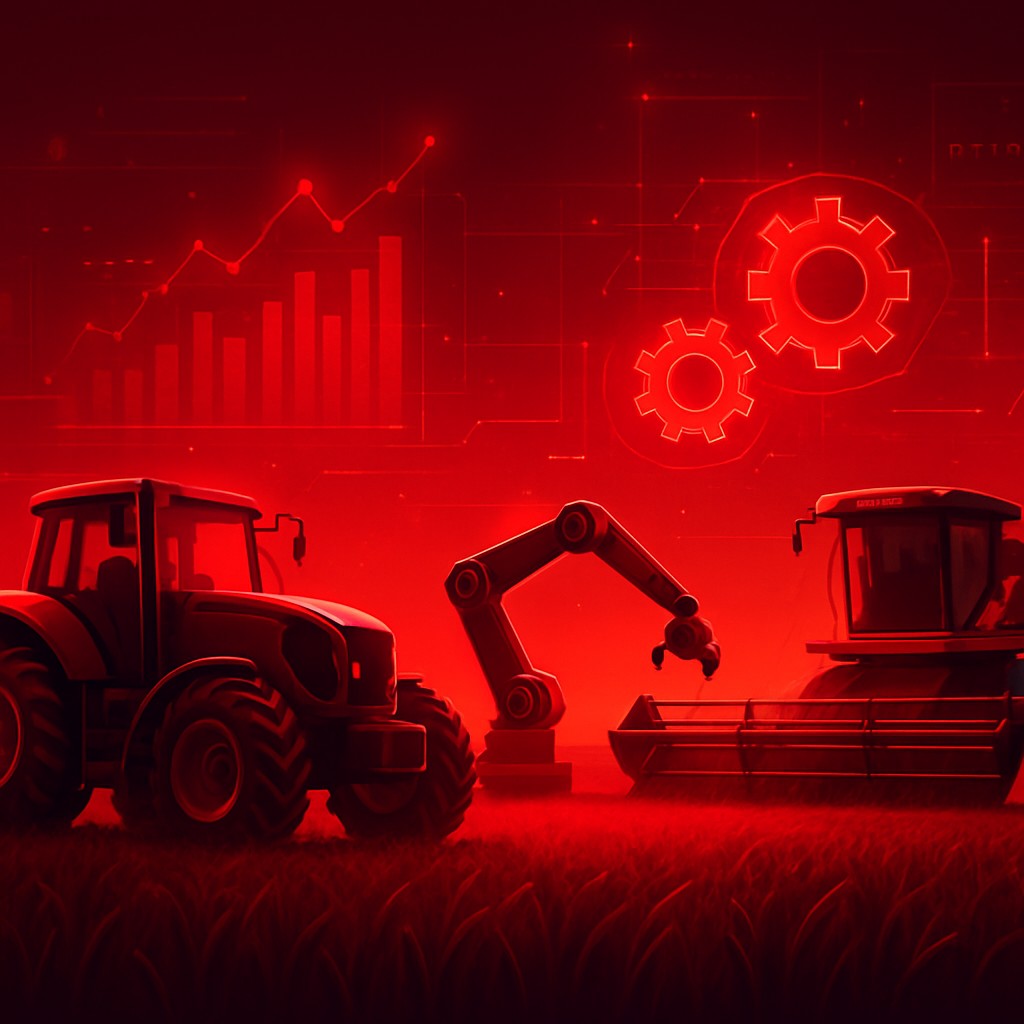
Engineering Excellence in Korean Agriculture
South Korea is globally recognized for its manufacturing prowess, and the agricultural equipment sector is no exception. The country's machinery brands combine precision engineering, durability, and advanced technology to serve both domestic farmers and international markets. As agriculture worldwide becomes increasingly mechanized and data-driven, Korean manufacturers have positioned themselves as reliable providers of tractors, harvesters, and smart farming solutions.
The agricultural equipment industry in South Korea reflects the broader strengths of the nation's manufacturing base: rigorous quality standards, continuous research and development, and a willingness to embrace automation. These qualities have helped Korean brands compete with established global players while addressing the specific needs of Asian farming conditions.
What Defines Korea's Top Equipment Brands
Several characteristics distinguish leading agricultural equipment manufacturers in South Korea. Reliability is paramount, as farmers depend on machinery that performs consistently through demanding seasons. Korean brands have built strong reputations for durable, low-maintenance products designed to withstand intensive use.
Innovation is equally important. Many manufacturers are integrating GPS guidance, automation, and electric or hybrid power systems into their equipment. Compact and versatile designs are another hallmark, reflecting the demand for machinery suited to smaller, terraced, and varied farmland common across Korea and much of Asia. Strong after-sales support and global distribution networks further enhance their appeal.
Leading Agricultural Equipment Brands
The following brands represent the strength of South Korea's agricultural machinery industry.
LS Mtron is one of the most prominent names, producing a wide range of tractors known for performance and reliability, with a strong export presence. TYM (Tong Yang Moolsan) is another leading manufacturer, recognized globally for its compact tractors and commitment to advanced technology.
Daedong (Kioti) is a major force in the industry, with its Kioti brand widely respected in international markets for durable tractors and utility vehicles. Kukje Machinery offers a comprehensive lineup of tractors and farm equipment tailored to diverse agricultural needs.
Asia Technology specializes in agricultural machinery and components, while Dongyang Mulsan contributes through its established equipment offerings. Hyundai, leveraging its engineering heritage, participates in the agricultural and utility machinery space. Bobcat Korea provides compact equipment well suited to farm and construction tasks. Wooyang focuses on specialized agricultural implements, and Sungwoo rounds out the list with components and machinery that support farming operations.
The Shift Toward Smart Machinery
A defining trend in the industry is the move toward smart, connected machinery. Modern agricultural equipment increasingly features automation, precision guidance, and data integration that allow farmers to optimize planting, fertilizing, and harvesting. GPS-enabled tractors can follow precise routes, reducing overlap and conserving resources, while sensor systems provide real-time insights into soil and crop conditions.
This technological shift addresses key challenges such as labor shortages and the need for greater efficiency. By automating repetitive tasks and enabling data-driven decisions, smart machinery helps farmers achieve higher yields with fewer inputs.
Sustainability and Efficiency
Environmental considerations are shaping equipment design as well. Manufacturers are developing machines with improved fuel efficiency, reduced emissions, and, increasingly, electric or hybrid powertrains. These advances support sustainable farming practices and help farmers reduce operating costs over time.
Efficiency extends to maintenance and durability. Equipment designed for longevity and easy servicing reduces downtime and total cost of ownership, which is a significant advantage for farmers operating on tight margins.
Global Competitiveness
South Korean agricultural equipment brands have achieved notable success in export markets, particularly in North America, Europe, and other parts of Asia. Their compact tractors are especially popular among hobby farmers, landscapers, and smallholders who value maneuverability and reliability. This global reach reflects the strong reputation Korean manufacturers have built for quality and value.
Choosing the Right Equipment
When selecting agricultural machinery, farmers should consider factors such as the size and type of their land, the specific tasks they need to perform, and the availability of local service and parts. Evaluating warranty terms, fuel efficiency, and technological features can help ensure a sound investment. Many Korean brands offer a range of models suited to different scales of operation, making it easier to find an appropriate match.
Supporting Farmers Beyond the Sale
The relationship between Korean equipment manufacturers and farmers extends well beyond the initial purchase. Leading brands provide comprehensive training, maintenance services, and readily available spare parts to minimize downtime during critical seasons. Many have built extensive dealer networks both domestically and abroad, ensuring that farmers can access support whenever they need it. This commitment to service is a major reason Korean machinery has earned loyalty in competitive export markets. Additionally, manufacturers increasingly offer financing options and flexible purchasing programs that make advanced equipment accessible to a wider range of farmers. By treating customers as long-term partners rather than one-time buyers, Korean brands strengthen their reputation and encourage repeat business across generations of farming families.
Conclusion
South Korea's agricultural equipment brands exemplify the nation's engineering excellence and forward-looking approach to farming. From globally respected tractor manufacturers to specialists in smart machinery, these companies provide the tools that power modern agriculture. As the industry embraces automation, sustainability, and precision technology, Korean brands are well positioned to remain trusted partners for farmers around the world.
