
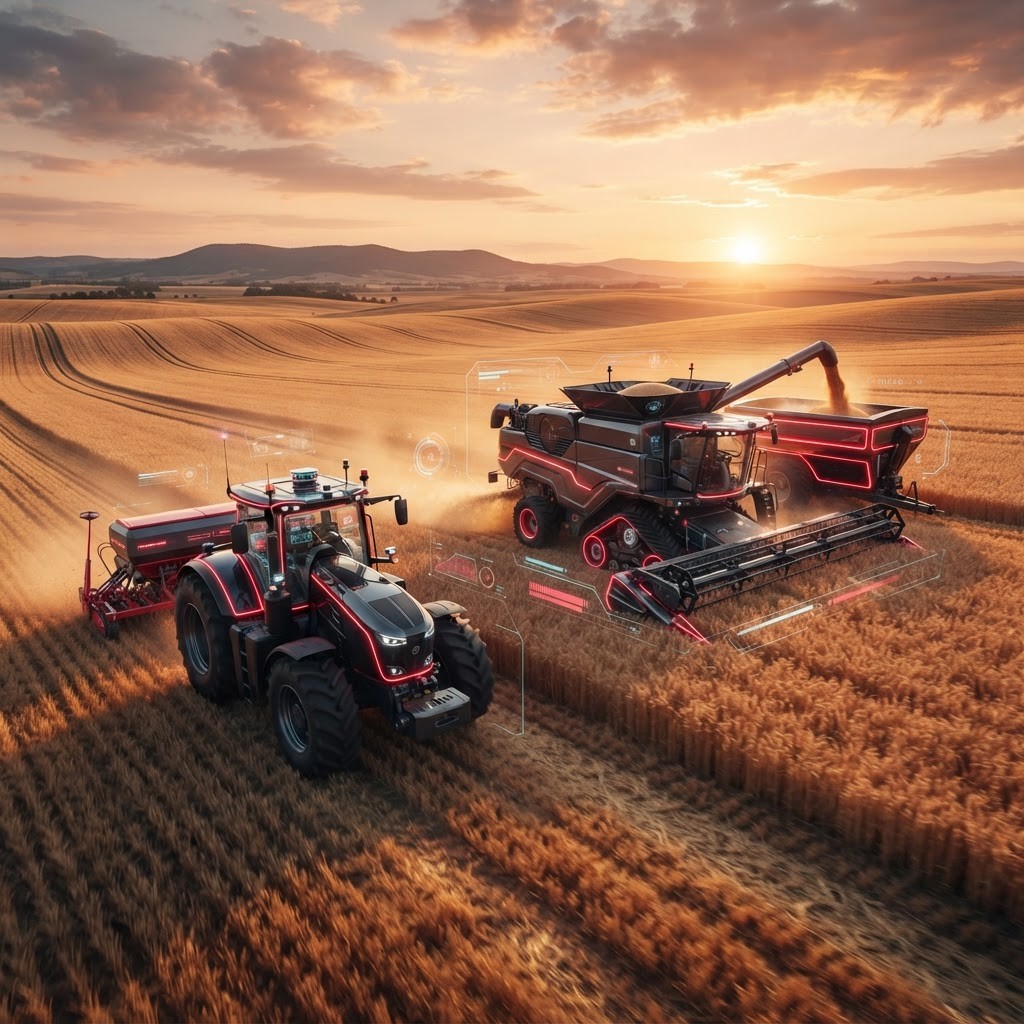
Machinery That Powers Serbian Agriculture
Serbia's strong agricultural output depends heavily on reliable, modern machinery. From tractors and combine harvesters to seed drills, sprayers, and tillage equipment, the tools farmers use directly influence productivity, efficiency, and profitability. As the country's agriculture sector modernizes, demand for high-quality equipment brands has grown steadily, supported by both domestic manufacturers and established international names with a strong local presence.
The agricultural equipment market in Serbia reflects the diversity of its farming landscape. Large arable operations in Vojvodina require powerful, high-capacity machines, while smaller family farms in hilly regions favor versatile, compact equipment. The best brands cater to this spectrum, offering dependable machinery backed by parts availability, service networks, and financing options.
What Makes an Equipment Brand Stand Out
Farmers evaluate agricultural equipment brands on several criteria. Durability and reliability top the list, since downtime during planting or harvest can be costly. Fuel efficiency, ease of maintenance, and the availability of spare parts follow closely. Increasingly, farmers also value precision-farming features such as GPS guidance, automated steering, and data connectivity that improve accuracy and reduce input waste.
Strong after-sales support is a decisive factor. Brands with well-developed dealer networks, trained technicians, and quick access to parts earn lasting loyalty. This service dimension often matters as much as the machinery itself, especially for operations that cannot afford extended equipment failures.
Ten Leading Agricultural Equipment Brands in Serbia
1. IMT (Industrija Mašina i Traktora) is a historic Serbian tractor manufacturer whose machines remain widely used and respected, symbolizing the country's own engineering legacy.
2. John Deere enjoys strong demand among larger operations for its powerful tractors, advanced combines, and industry-leading precision-agriculture technology.
3. Case IH is favored for high-horsepower tractors and harvesting equipment suited to the expansive plains of northern Serbia.
4. New Holland offers a broad range of tractors and harvesters known for versatility and a well-established service network.
5. Massey Ferguson is popular with mid-sized farms, valued for dependable, cost-effective machinery and straightforward maintenance.
6. Claas has a strong reputation for combine harvesters and forage equipment, appealing to farmers who prioritize harvesting efficiency.
7. Fendt serves the premium segment with high-technology tractors that emphasize efficiency, comfort, and precision.
8. Kuhn specializes in implements such as ploughs, sprayers, and seeders, complementing the tractor fleets of many Serbian farms.
9. Landini provides reliable, affordable tractors that suit smaller and family-run operations across varied terrain.
10. Zmaj rounds out the list as another Serbian manufacturing name associated with harvesting and agricultural machinery, reflecting domestic industrial heritage.
Technology Trends Reshaping the Market
Precision agriculture is the most significant force transforming equipment demand in Serbia. GPS-guided tractors, automated implement control, and telematics systems allow farmers to work with greater accuracy, reduce overlap, and monitor performance in real time. Brands that lead in these technologies are increasingly attractive to progressive growers seeking to cut costs and boost yields.
Sustainability and efficiency are also influencing purchasing decisions. Fuel-efficient engines, reduced-emission designs, and equipment that enables conservation tillage help farmers lower their environmental impact while managing input expenses. As these priorities grow, brands that combine performance with efficiency gain a competitive edge.
The Importance of Dealer and Service Networks
In Serbia, the strength of a brand's dealer and service network often determines its long-term success. Farmers operate under tight seasonal windows, and a machine that breaks down during harvest can result in significant losses. Brands that maintain regional dealerships, stock essential spare parts, and employ skilled technicians provide invaluable peace of mind. This support infrastructure frequently outweighs marginal differences in machine specifications when farmers make purchasing decisions.
Training is another important dimension. As equipment grows more sophisticated, farmers and operators need guidance to use advanced features effectively. Leading brands and their dealers offer instruction, demonstrations, and ongoing support, ensuring that customers realize the full value of their investment rather than leaving powerful capabilities unused.
Financing and Total Cost of Ownership
Agricultural machinery represents a major capital outlay, so financing options play a central role in the market. Many brands and dealers offer leasing, installment plans, and support in accessing agricultural subsidies and development funds. These arrangements make modern equipment attainable for a broader range of farms, accelerating the modernization of Serbian agriculture.
Savvy buyers evaluate total cost of ownership rather than purchase price alone. Fuel consumption, maintenance requirements, durability, and resale value all influence the true cost of a machine over its working life. Brands with a reputation for reliability and strong resale value often prove more economical in the long run, reinforcing their appeal.
Making the Right Investment
Choosing an agricultural equipment brand is a significant, long-term investment for any Serbian farm. Beyond the initial purchase price, farmers must weigh reliability, service access, resale value, and technological capability. The brands highlighted here have earned their standing through proven performance and dependable support. As Serbian agriculture continues to modernize, quality machinery will remain essential to sustaining the productivity and competitiveness of the nation's farms.
